Feb . 28, 2026 02:15 Back to list
Comprehensive Guide to Effective Pain Medication for Cattle Management
Understanding Pain Medication for Cattle
Effective pain management is crucial for the welfare of cattle, impacting their recovery from procedures, reducing stress, and improving overall health. Selecting the right pain medication for cattle requires careful consideration of the type of pain, the animal's condition, and regulatory guidelines. This article explores the various options available, their applications, and best practices for pain management in cattle. Providing appropriate analgesia contributes significantly to ethical animal husbandry and optimized production efficiency.

Common Types of Pain Medications Used in Cattle
Several classes of medications are commonly used for pain relief in cattle. Non-steroidal anti-inflammatory drugs (NSAIDs) are frequently prescribed for musculoskeletal pain and post-operative discomfort. Opioids, while powerful, are typically reserved for severe pain due to their potential side effects and regulatory control. Local anesthetics are valuable for localized pain control during procedures like dehorning or castration. The choice of medication depends on the intensity and duration of the pain, as well as the specific procedure performed. It’s essential to always follow veterinary guidance on dosage and administration. Skyvetpharm provides a range of high-quality veterinary pharmaceuticals including pain relief options.
Key Considerations: Pain management protocols should be tailored to the individual animal and the specific pain stimulus. Routine use of analgesics after painful procedures is becoming standard practice in modern cattle management.
NSAIDs: A Cornerstone of Cattle Pain Management
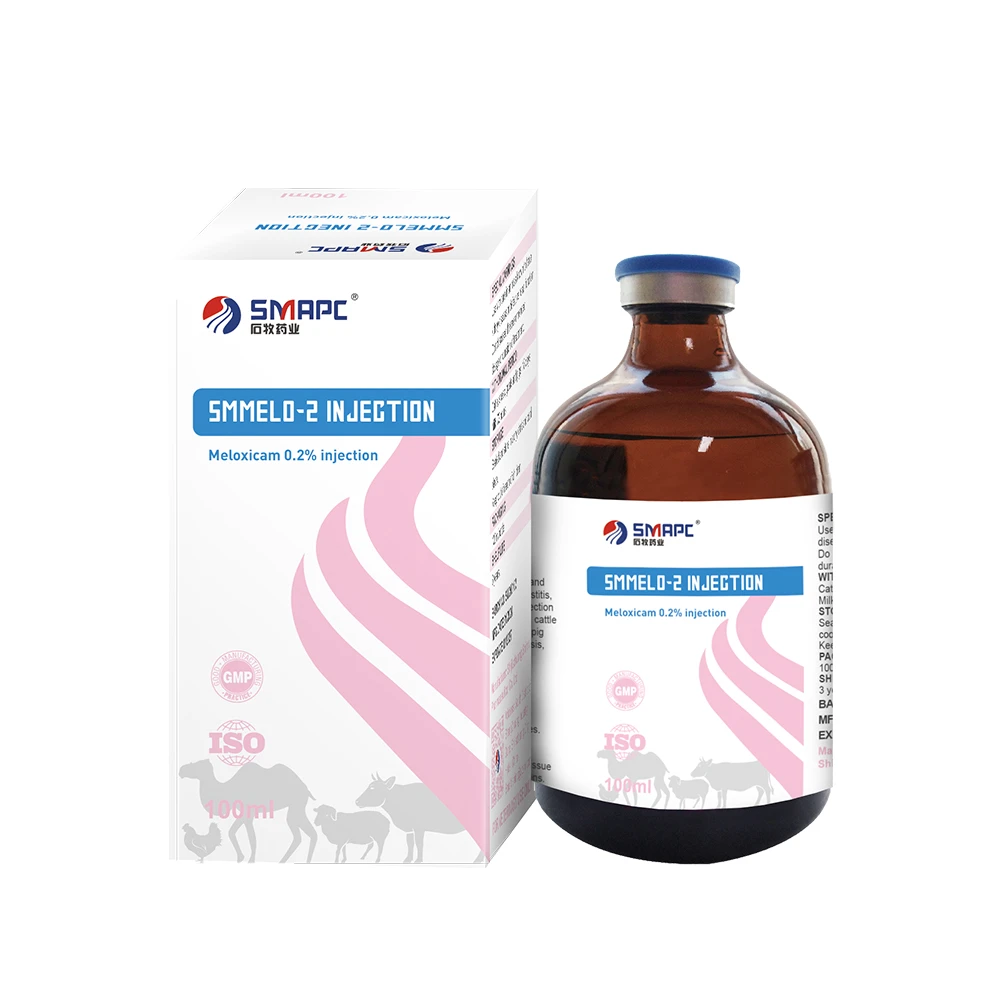
NSAIDs, such as flunixin meglumine and meloxicam, are widely used to reduce inflammation and relieve pain in cattle. They work by inhibiting the production of prostaglandins, which are involved in the pain and inflammatory response. NSAIDs are effective for managing pain associated with conditions like musculoskeletal injuries, mastitis, and post-operative pain. However, it's crucial to adhere to recommended dosage guidelines and withdrawal times to prevent drug residues in meat and milk. Proper administration and monitoring are key to ensuring efficacy and minimizing potential side effects.
NSAID Benefits:
• Effective for reducing inflammation
• Provides pain relief for various conditions
• Relatively easy to administer
• Widely available
Comparing Pain Medication Options for Cattle
Different pain medications offer varying levels of effectiveness and suitability depending on the situation. Here's a comparison of common options. Always consult with your veterinarian for a diagnosis and recommended treatment plan. Choosing the correct medication and dosage will greatly impact the success of treatment.
Best Practices for Pain Medication Administration in Cattle
Proper administration is vital to ensure effective pain relief and minimize potential side effects. Always follow veterinary instructions regarding dosage, route of administration, and withdrawal times. Use appropriate handling techniques to reduce stress on the animal during medication administration. Accurate record-keeping is also crucial for monitoring treatment efficacy and ensuring compliance with regulations. Skyvetpharm is dedicated to providing not only quality animal health products but also resources to support responsible medication practices.

Product Specifications – Flunixin Meglumine Injection
Below is a typical specification sheet for Flunixin Meglumine Injection, a common NSAID used for pain management in cattle. Please refer to the product label for the most up-to-date information.
Conclusion: Prioritizing Cattle Welfare Through Effective Pain Management
Providing appropriate pain management for cattle is not only an ethical imperative but also benefits overall animal health and productivity. Understanding the available medication options, administering them correctly, and adhering to veterinary guidance are essential. Skyvetpharm is committed to supporting veterinarians and producers with high-quality pharmaceuticals and resources to ensure the well-being of their cattle.
Frequently Asked Questions (FAQs)
What are the signs that a cow is experiencing pain?
Recognizing pain in cattle can be challenging as they often mask their discomfort. Common signs include changes in behavior, such as decreased appetite, isolation from the herd, reluctance to move, aggression, or vocalization. Physical signs may include labored breathing, increased heart rate, sweating, and a hunched posture. Observing subtle changes in a cow's normal behavior is crucial for early detection and prompt treatment. A veterinarian can help determine the source and severity of the pain.
What is the importance of withdrawal times for pain medications?
Withdrawal times are legally mandated periods during which meat, milk, or other animal products cannot be consumed after administering a medication. These times are established to ensure that drug residues do not exceed safe levels in the food supply. Failure to adhere to withdrawal times can pose a risk to human health and result in legal penalties. Always carefully review the product label and consult with your veterinarian regarding specific withdrawal requirements.
Can pain medication be administered through the water supply?
While some pain medications can be administered through the water supply, it is not always the most reliable method. Water intake can vary significantly between animals, leading to inconsistent dosing. Furthermore, some medications degrade rapidly in water, reducing their effectiveness. It is generally recommended to administer pain medication directly to the animal to ensure accurate and consistent dosing. Consult your veterinarian for guidance on the best administration route for a specific medication.
How often should I monitor a cow after administering pain medication?
Monitoring a cow after administering pain medication is crucial to assess its effectiveness and identify any adverse reactions. Initially, monitor the animal closely for at least the first few hours after administration. Check for improvements in behavior, such as increased appetite, reduced guarding, and improved mobility. Continue to monitor the cow for any signs of side effects, such as changes in fecal consistency, loss of coordination, or difficulty breathing. Contact your veterinarian immediately if you observe any concerning signs.
-
Choosing the Best Worm Medicine for Goats for Herd HealthNewsApr.16,2026
-
Comprehensive Guide to Professional Goat Medication and Herd HealthNewsApr.09,2026
-
Comprehensive Tick Treatment for Sheep A Guide to Control and PreventionNewsApr.07,2026
-
Comprehensive Guide to Effective Mite Treatment for Goats and PreventionNewsApr.04,2026
-
Comprehensive Veterinary Medicine for Sheep Health and Disease PreventionNewsMar.31,2026
-
Comprehensive Guide to Goat Health and Effective Goats Medicine SolutionsNewsMar.28,2026