Yangiliklar
-
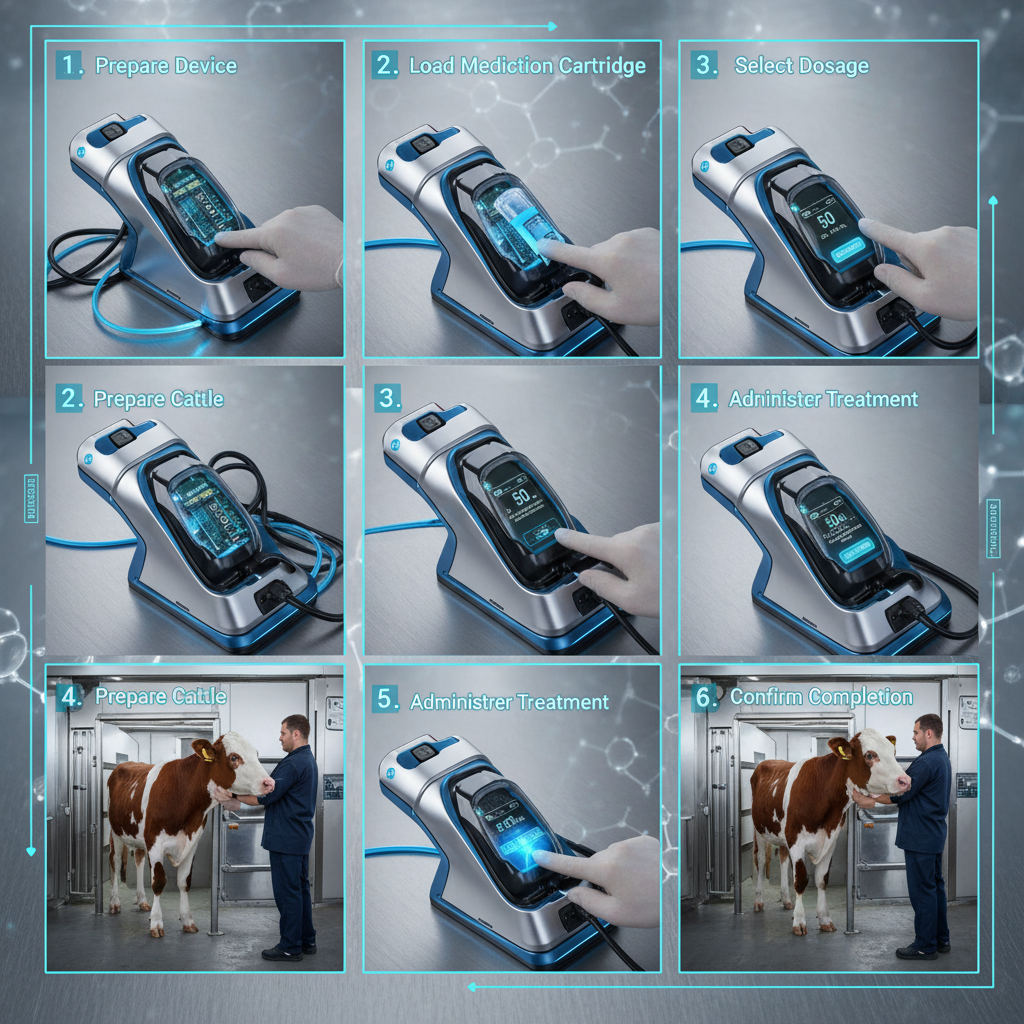 Diarrhoea, often referred to as scours, is a common and potentially serious condition affecting cattle of all ages, particularly calves. It's characterized by frequent, watery fecal matter and can lead to dehydration, electrolyte imbalance, and even death if left untreated. Understanding the causes, recognizing the symptoms, and implementing appropriate treatment strategies are vital for maintaining herd health and productivity. This article provides a detailed overview of treating diarrhoea in cattle, covering preventative measures, diagnostic approaches, and effective therapeutic options. Diarrhoea in cattle is rarely caused by a single factor. Often, it's a multifactorial condition involving infectious agents, nutritional deficiencies, and management practices. Common causes include viral infections (rotavirus, coronavirus), bacterial infections (E. coli, Salmonella), parasitic infections (coccidiosis, cryptosporidiosis), and dietary upsets. Stress, such as weaning, transportation, or changes in feed, can also weaken the immune system and predispose cattle to diarrhoea. Identifying the underlying cause is crucial for selecting the most effective treatment.Ko'proq o'qish
 -
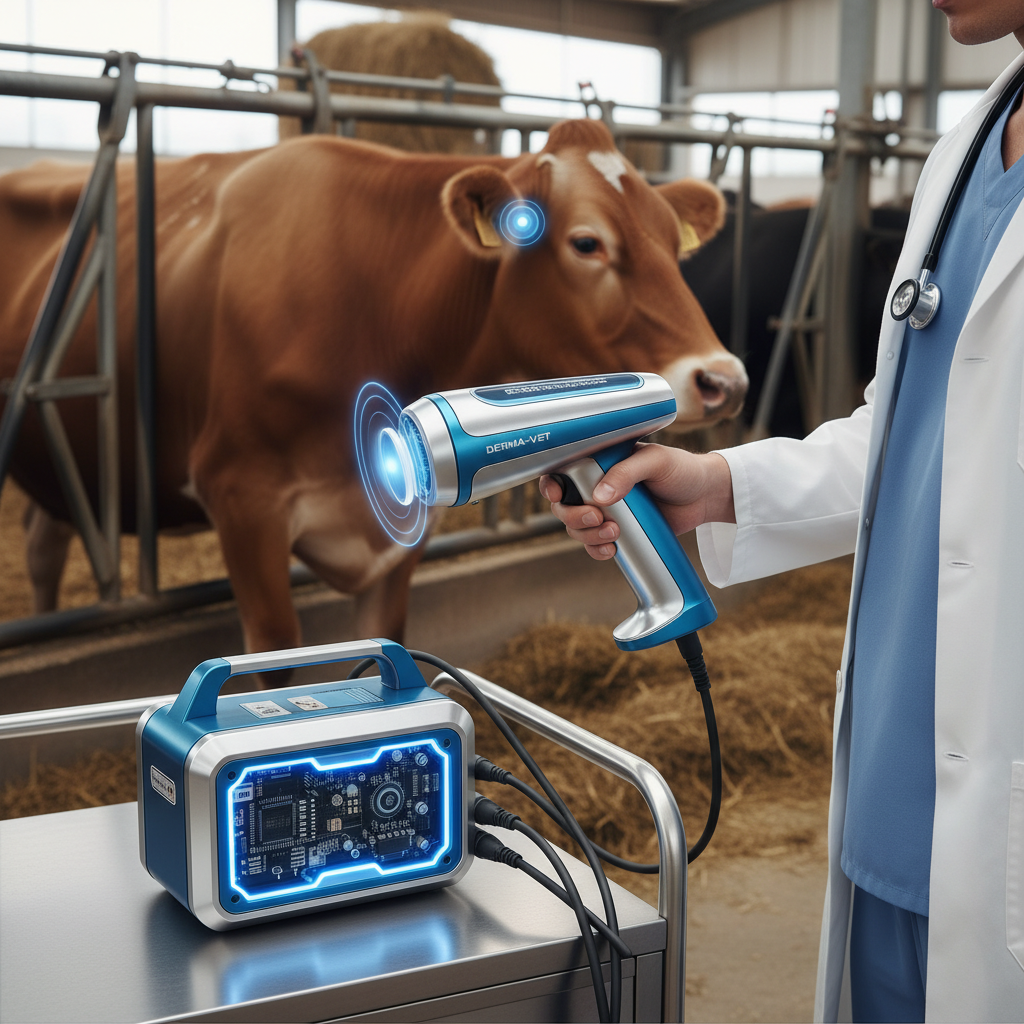 Warts, also known as papillomas, are a common skin condition affecting cattle, caused by the bovine papillomavirus (BPV). While generally not life-threatening, warts can reduce aesthetic value, interfere with handling, and in some cases, lead to secondary infections. Finding the right treatment for warts in cattle is crucial for maintaining herd health and productivity. This article will explore the causes, symptoms, and various treatment options available, providing you with a comprehensive guide to managing this condition. We will also discuss preventative measures to minimize the spread of warts within your cattle population. BPV is a highly contagious virus that enters the cattle’s body through abrasions or cuts in the skin. Transmission typically occurs through direct contact with infected animals or contaminated surfaces like fences, feeders, and equipment. The virus has a long incubation period, often ranging from several weeks to months, meaning cattle can be spreading the virus before warts are even visible.Ko'proq o'qish
 -
 Blackleg, also known as quarter evil, is a highly fatal bacterial infection affecting cattle, particularly those under two years of age. Prompt diagnosis and treatment are crucial for survival. This article provides a comprehensive overview of blackleg in cattle, including its causes, symptoms, treatment options, and preventative measures. We will explore effective strategies to protect your herd and minimize the economic impact of this devastating disease. Blackleg is caused by the bacterium Clostridium chauvoei, which is commonly found in soil. The bacteria enter the body through wounds or abrasions, often during handling, dehorning, castration, or even insect bites. Spores of the bacterium can remain dormant in the soil for years. Factors predisposing cattle to blackleg include: young age, rapid growth, recent trauma or bruising, and a lack of prior exposure to the bacterium, leading to a lack of immunity. The disease thrives in warm, humid conditions, with outbreaks often occurring after heavy rainfall following a dry period.Ko'proq o'qish
 -
 Controlling ticks on cattle is essential for maintaining herd health and maximizing productivity. These parasites can transmit diseases, cause anemia, and significantly reduce weight gain. Choosing the right tick medicine for cows is a critical aspect of livestock management. This article will delve into the various options available, their effectiveness, application methods, and important considerations for protecting your cattle from tick infestations. We will also explore preventive measures and strategies for long-term tick control. Ticks thrive in warm, humid environments and are particularly prevalent during the spring and summer months. Cattle are especially vulnerable due to their large surface area and time spent grazing in tick-infested pastures. The impact of tick infestations extends beyond direct blood loss. Ticks can transmit debilitating diseases like Anaplasmosis, Babesiosis, and Theileriosis, leading to significant economic losses for farmers. Recognizing the signs of a tick infestation, such as reduced appetite, weakness, pale gums, and visible ticks on the body, is crucial for prompt treatment and prevention.Ko'proq o'qish
 -
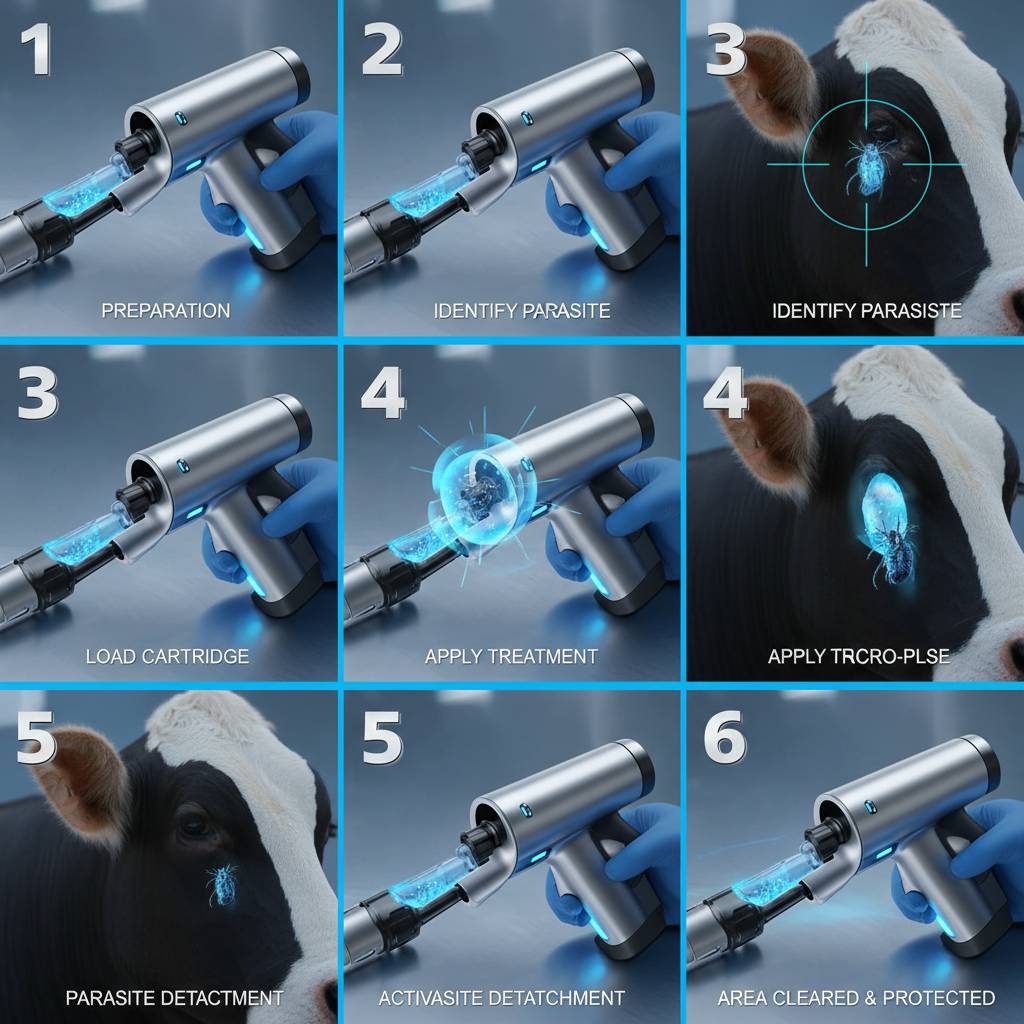 Protecting your cattle from ticks is crucial for maintaining their health, productivity, and overall well-being. Ticks are external parasites that can transmit diseases, cause anemia, and reduce weight gain. Choosing the right tick medicine for cattle is essential for effective control. This article will explore the various options available, how they work, and factors to consider when selecting the best solution for your herd. We'll cover preventative measures, treatment options, and emerging trends in tick control. Ticks pose a significant threat to cattle farming, impacting profitability and animal welfare. Besides the direct harm caused by blood-feeding, ticks can transmit diseases like Anaplasmosis, Babesiosis, and Theileriosis, leading to severe illness and even death. Infestations can also cause skin irritation, reduced grazing efficiency, and decreased milk production.Ko'proq o'qish
 -
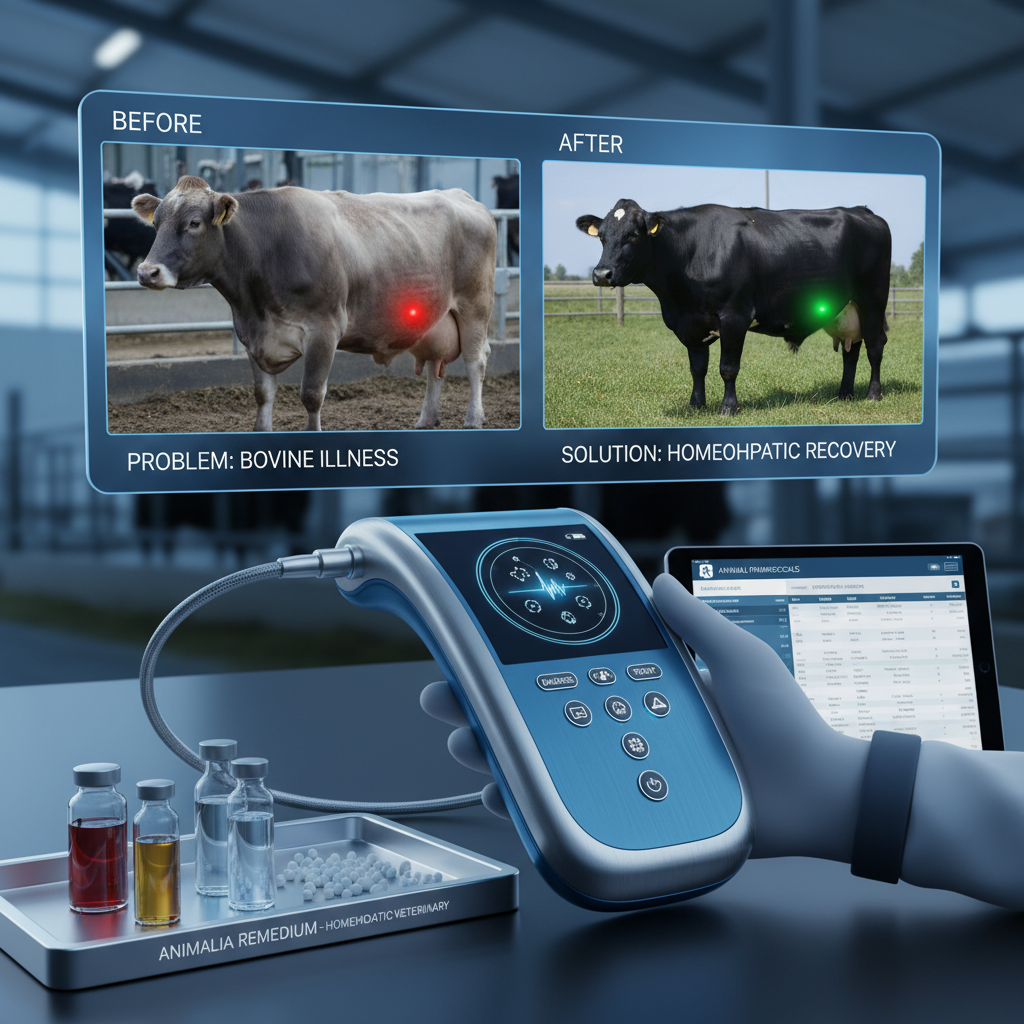 Homeopathy offers a gentle, yet effective, approach to animal healthcare, and its application to cattle is gaining recognition. Farmers and veterinarians are increasingly exploring homeopathic treatments for a variety of common cattle ailments. This article will delve into the principles of homeopathy, its benefits for cattle, common conditions addressed, and the importance of working with a qualified practitioner. We’ll also explore why a holistic approach, like homeopathy, is proving valuable in modern livestock management. Homeopathy operates on the principle of “like cures like,” meaning a substance that causes symptoms in a healthy individual can, in a highly diluted form, cure similar symptoms in a sick individual. The process involves serial dilution and succussion (vigorous shaking) which, according to homeopathic principles, enhances the therapeutic properties of the substance while minimizing toxicity. This results in remedies that stimulate the body’s self-healing capabilities, rather than suppressing symptoms.Ko'proq o'qish
 -
 Cattle respiratory disease (CRD) is a significant concern for livestock producers, causing economic losses due to morbidity, mortality, and reduced weight gain. Effective respiratory medicine for cattle is crucial for maintaining herd health and profitability. This article will explore the common causes of CRD, diagnostic approaches, preventative strategies, and treatment options, including pharmaceutical interventions offered by SkyVet Pharmaceutical. Understanding these aspects is vital for ensuring the well-being of your cattle and minimizing the impact of respiratory illness. CRD is often a multifactorial disease, meaning it's rarely caused by a single agent. Common culprits include viruses like Bovine Respiratory Syncytial Virus (BRSV), Parainfluenza-3 (PI3), and Bovine Herpesvirus-1 (BHV-1). These viruses often create an environment where secondary bacterial infections, such as Mannheimia haemolytica, Pasteurella multocida, and Histophilus somni, can thrive. Stressful conditions – like weaning, transportation, commingling of animals, and adverse weather – can weaken the immune system and increase susceptibility to these pathogens.Ko'proq o'qish
 -
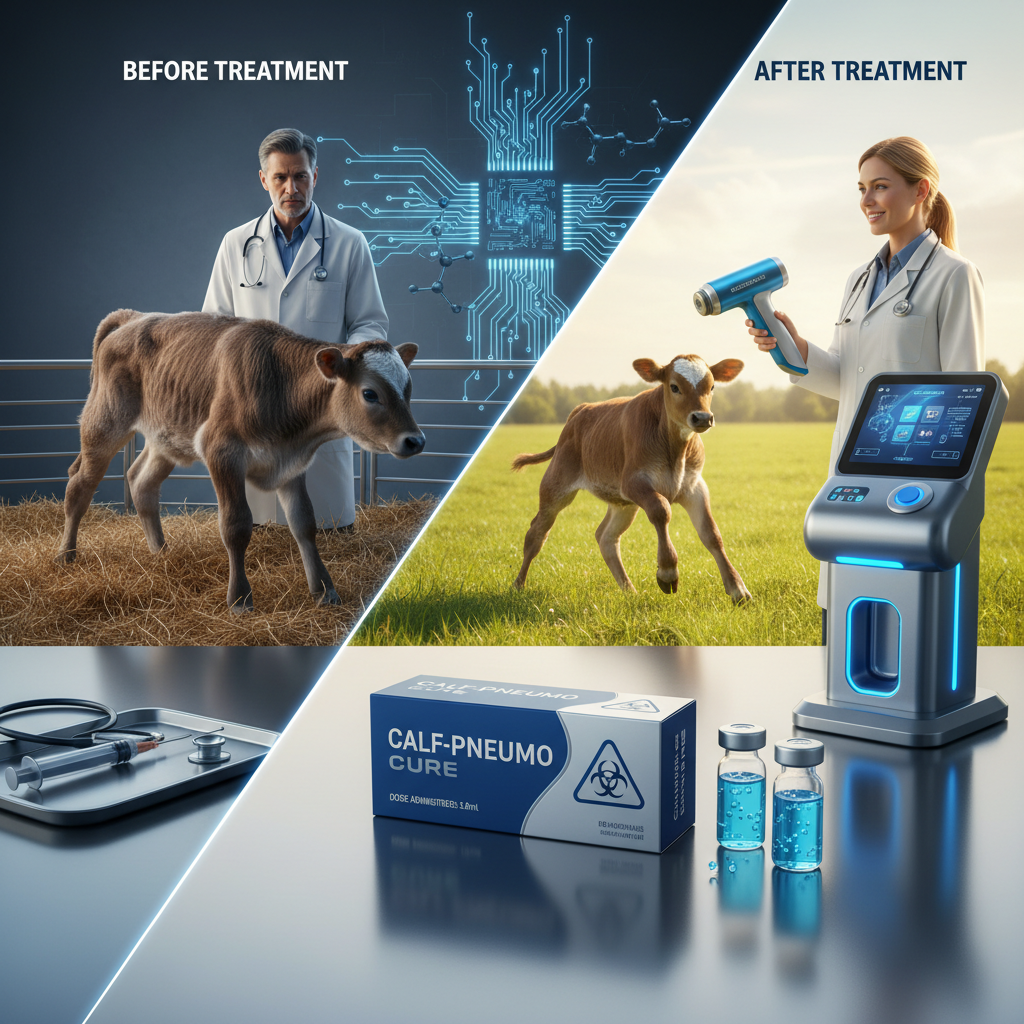 Pneumonia is a significant health challenge for calf producers, leading to economic losses and animal welfare concerns. Prompt and effective treatment is crucial. This article provides a detailed overview of pneumonia in calves, its causes, symptoms, and, importantly, the best pneumonia medicine for calves available. We'll cover preventative measures, diagnostic approaches, and how to choose the right treatment plan for your herd. Understanding these aspects is key to minimizing the impact of this disease. Calf pneumonia, also known as shipping fever, is a complex respiratory disease caused by a combination of factors including viruses (like bovine respiratory syncytial virus - BRSV, and parainfluenza-3), bacteria (Mannheimia haemolytica, Pasteurella multocida, Histophilus somni), and environmental stressors. The disease weakens the calf’s immune system, making it susceptible to secondary infections.Ko'proq o'qish
 -
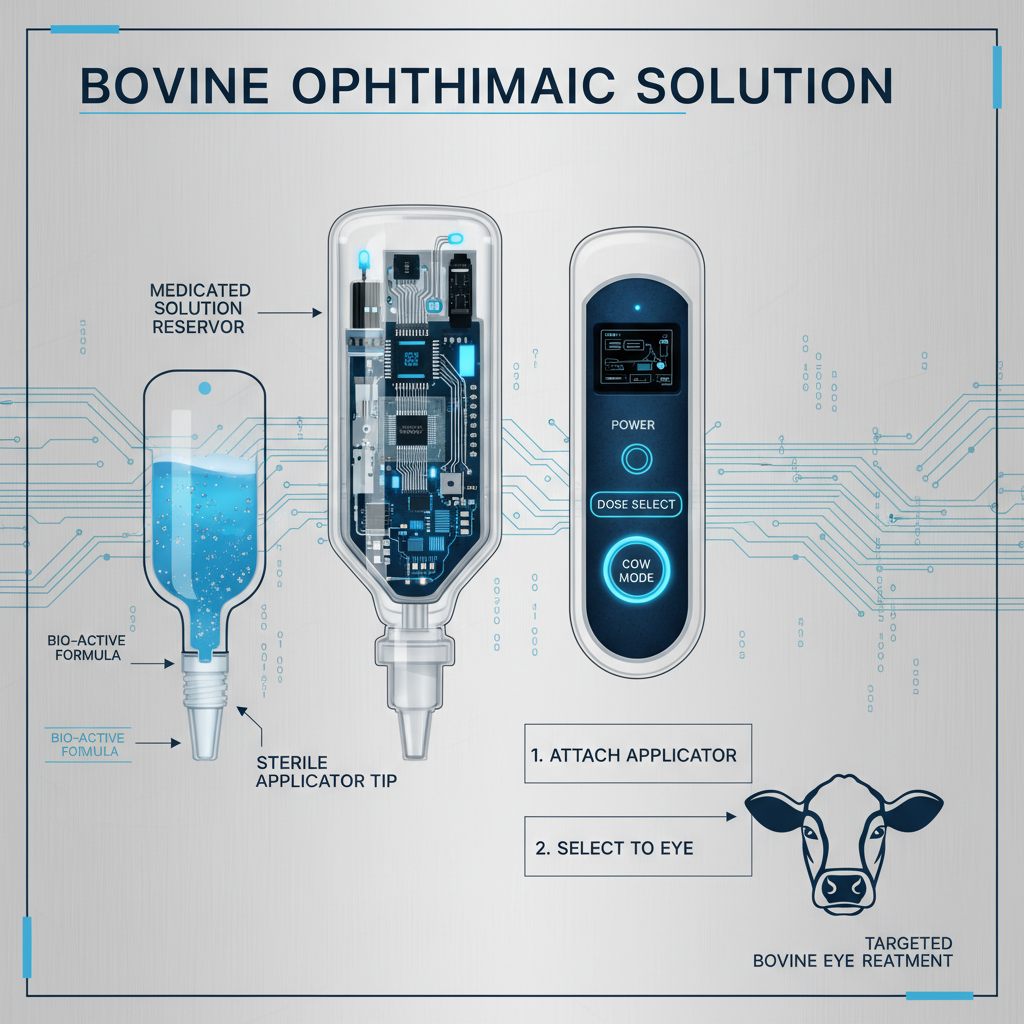 Pink eye, or infectious bovine keratoconjunctivitis (IBK), is a common and highly contagious disease affecting cattle worldwide. Prompt and effective treatment is crucial to prevent corneal damage and vision loss. This article provides a detailed overview of pink eye in cows, its causes, symptoms, and, most importantly, the best pink eye medicine for cows available, focusing on solutions offered by Skyvet Pharmaceuticals. We will explore preventative measures and treatment options to help you protect your herd and maintain their health. Pink eye is typically caused by the bacterium Moraxella bovis, but other factors such as viruses and irritants like dust, flies, and ultraviolet light can contribute to its spread. The disease is highly contagious, spreading through direct contact with infected animals, or indirectly through contaminated surfaces or vectors like flies. Symptoms include excessive tearing, squinting, redness of the conjunctiva (the pink membrane lining the eyelids), and sometimes corneal ulcers. Early detection and treatment are paramount to minimize economic losses due to reduced weight gain, milk production, and potential blindness.Ko'proq o'qish
 -
 Maintaining the health and well-being of your cattle is paramount for successful farming. Pain management is a critical aspect of this, particularly during procedures like dehorning, castration, and post-surgical recovery. Choosing the right painkiller for cattle is crucial to minimize stress, promote faster healing, and ensure ethical animal treatment. This article explores the considerations when selecting a painkiller, available options, and the importance of proper administration. We'll delve into ensuring the comfort and recovery of your livestock, contributing to better productivity and overall farm health. Cattle experience pain much like humans, and recognizing and addressing it is essential. Procedures like dehorning and castration, while common in livestock management, are inherently painful. Without adequate pain relief, cattle can experience prolonged stress, reduced feed intake, weakened immune systems, and slower growth rates.Ko'proq o'qish
 -
Effective pain management is crucial for the welfare of cattle, impacting their recovery from procedures, reducing stress, and improving overall health. Selecting the right pain medication for cattle requires careful consideration of the type of pain, the animal's condition, and regulatory guidelines. This article explores the various options available, their applications, and best practices for pain management in cattle. Providing appropriate analgesia contributes significantly to ethical animal husbandry and optimized production efficiency. Several classes of medications are commonly used for pain relief in cattle. Non-steroidal anti-inflammatory drugs (NSAIDs) are frequently prescribed for musculoskeletal pain and post-operative discomfort. Opioids, while powerful, are typically reserved for severe pain due to their potential side effects and regulatory control. Local anesthetics are valuable for localized pain control during procedures like dehorning or castration. The choice of medication depends on the intensity and duration of the pain, as well as the specific procedure performed.Ko'proq o'qish
-
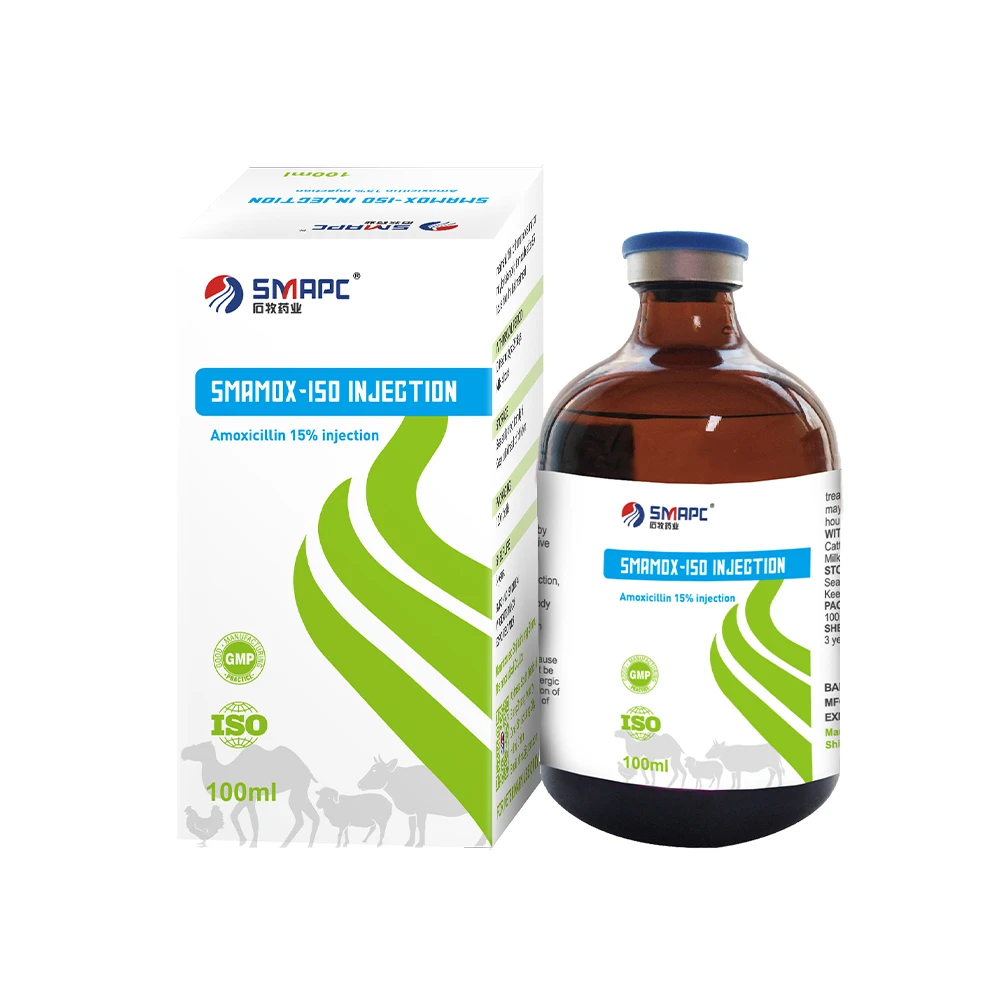 Discover broad-spectrum antibacterial solutions for cattle & pigs. Amoxicillin Injection offers optimal pharmacokinetics, 28-day meat withdrawal, and 4-hour milk withdrawal. Shijiazhuang Shimu Pharmaceutical Co., Ltd. ensures veterinary-grade quality. Explore: https://www.skyvetpharm.com/amoxicillin-injection.htmlKo'proq o'qish